Setting up so the call doesn't fight the game
Mute the game, not the people. Drop in-game music and effects to near zero. Game audio bleeding into an open mic is the single biggest reason these nights fall apart - everyone starts talking over a soundtrack nobody can hear properly. Headphones fix it at the source rather than by turning everything down, and on a video call the best gaming earbuds beat a bulky headset - they keep game sound out of the microphone without covering half your face.
Use a second device if you have one. The call on a phone or tablet, the game on the computer. This removes the alt-tab problem entirely and means a crashing game does not drop you out of the conversation.
Turn off HD video if anything stutters. Video is usually the first thing worth sacrificing - dropping to audio-only frees noticeable bandwidth and CPU, and once people are absorbed in a game they stop looking at the faces anyway.
Games that are better because you can see faces
Most multiplayer games treat video as irrelevant. A few are actively improved by it, and those are the ones worth choosing for a call.
Social deduction is the obvious category. Among Us is a game of reading people, and reading people is much easier when you can see them - the accusation phase becomes closer to a real conversation than a text chat ever manages. Playing it on a video call is arguably the definitive way to play it.
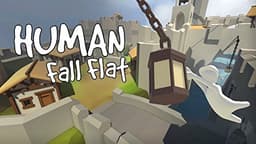
Physical comedyis the second. Human: Fall Flat and Fall Guys are funny because of failure, and the reaction on someone's face when they fall off at the last second is half the entertainment. On a voice-only call you get the laugh; on video you get the moment.
What does not benefit: anything requiring sustained concentration. If the game demands your full attention, the video window is just a resource cost - and you would be better off on voice only.
A realistic 45-minute plan
First five minutes: everyone joins the call, confirms they can hear each other, and gets the game open. Do not start explaining rules until people are actually in.
Next five: one practice round that does not count. This is the step people skip and the reason first sessions go badly - somebody always needs to find the mute button, the room code, or which button does the thing.
Remaining thirty-five: play. With Among Us that is roughly three rounds; with Rocket League it is around six matches, reshuffling teams between them. Stop while people still want more rather than playing until it fizzles - it makes the next session far easier to arrange.
When one person has to host
Most of these games nominate a host - the person who creates the lobby and shares the code. It is worth deciding who that is before the call rather than during it, because three people simultaneously creating lobbies is the most reliable way to waste the first ten minutes.
Pick whoever has the most stable connection and the most familiarity with the game. In Among Us the host also controls settings - map, number of impostors, discussion time - and sensible defaults matter more than people expect. With a group new to it, more discussion time and fewer impostors makes a far better first session than the default competitive settings.
Have a fallback host agreed too. If the host's connection drops, the lobby usually ends, and knowing immediately who restarts it keeps the evening moving.
How this differs from playing over Discord
Discord is built for gaming: it has lower-latency voice, per-app audio routing, and built-in Activities you can launch inside a voice channel. Zoom and Meet are built for meetings and have none of that. If your group is comfortable installing Discord, it is the better tool and our Discord guide covers it. Use this page when the call is already happening on Zoom - a family catch-up, a work social, or a group that will not install another app.
For a work context specifically, there are extra constraints worth respecting - session length, content, and who is allowed to install what. Our coworkers page is the version of this list written for a team social rather than a group of friends.
Whichever applies, check it in advance rather than on the night. Someone who assumes they can install a game, then discovers at 8pm that their machine will not let them, is the difference between a session that happens and one that quietly gets postponed and never rescheduled.