The rest of this site tells you what to play. This part tells you what to play it on.
Almost every page on Press Start Co answers the same question - what should we play tonight - and almost every one of them eventually runs into a hardware problem. The split-screen lists assume a second controller. The long-distance pages assume a microphone somebody can hear. The PC pages assume a machine that will actually run the thing. None of those assumptions are free, and until now none of them had a page.
This is that page. It is deliberately narrow: it covers the gear that stands between a group and a game they already want to play, and it stops there. There is no gaming chair here, no mechanical keyboard roundup, no desk. Those are enormous categories that have nothing to do with getting four people into the same lobby, and pretending otherwise would just be a way to sell you things.
What is on these pages, and in what order to read them
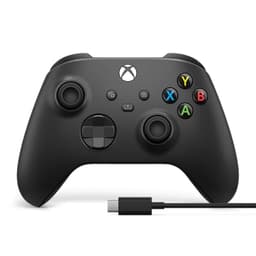
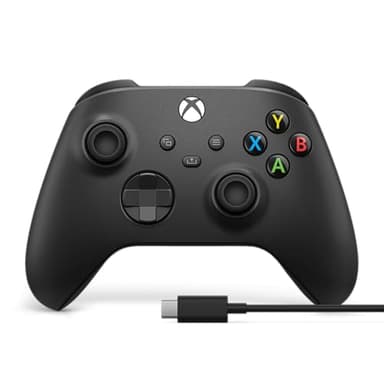
The second controller comes first. It is the cheapest purchase in this whole section and the one with the largest effect, because split-screen has never needed a second copy of the game - only a second pad. One controller converts a shelf of single-player-looking games into a two-player library. Start at the second controller guide and, honestly, many people can stop there.
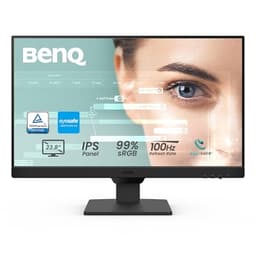
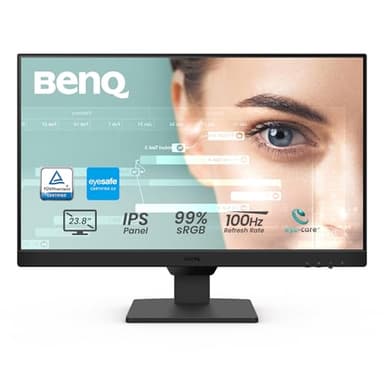
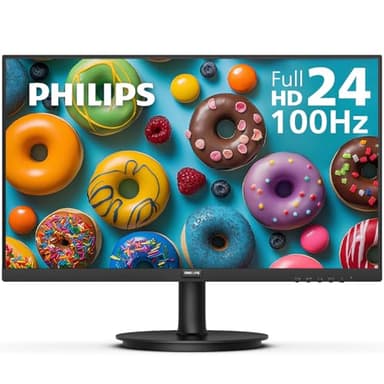
Then the screen, if you play on a PC. The most common upgrade request we see is a second monitor, and the most common misunderstanding is what it is for. Two screens do not split a game across both - that is a rare, sim-specific feature with strict requirements. What a second screen actually does is hold the voice chat, the wiki and the party window that currently sit on top of your game. Dual monitor gaming explains the difference, do you need a second monitor covers whether it is worth it at all, and the budget build is for when the answer is yes but the budget is small.
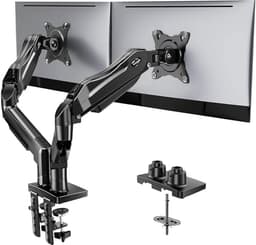
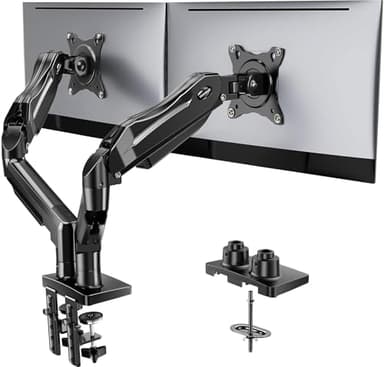
Then the awkward questions. Two of them come up constantly and both have real answers. Can you use two different monitors together? is the one everybody asks after buying the first screen, and what to check before buying a monitor arm is the one nobody asks until the arm arrives and does not fit the desk.
Then the living room. If the goal is a group on a sofa rather than one person at a desk, getting a PC on the TV covers the two routes that work and what each costs. And if you are starting from nothing, the beginner setup guide puts the whole list in buying order.
How we pick hardware, and what we do not claim
The same rules as the rest of the site, with one extra. Every specification quoted on these pages is copied from the retailer's own product listing and dated, never recalled from memory. Every price is pulled live and stamped with the day it was checked, so a stale number disappears on its own rather than sitting there misleading you. Every single item carries an explicit downside, because a list where everything is excellent is an advertisement.
The extra rule is the one that matters most here: we have not tested this hardware.We are not a lab, we have no test bench, and we are not going to pretend we measured a panel's response time. What these pages do is narrow the field using specifications the manufacturer publishes and criteria that are genuinely decisive - the per-arm weight rating, whether the monitor has the port your graphics card has free, whether the controller works on the machine you own - and then tell you what each choice costs you. That is a real service, and it is a different thing from a review.
Where a cheaper option does the job, we say so and link it, even when the expensive one pays better. That is not a courtesy; a recommendation you regret is worth nothing to either of us.