The four ways a group's bill breaks down
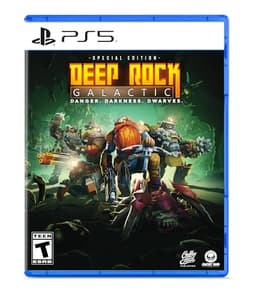
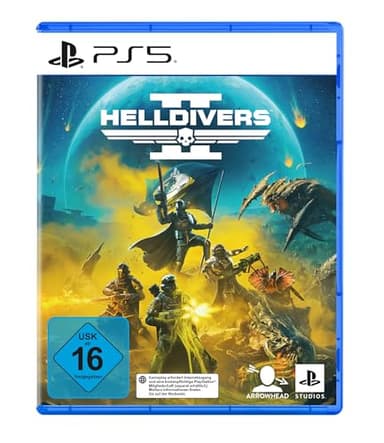
Everyone buys in. Helldivers 2, Deep Rock Galactic, Diablo IV, Monster Hunter Wilds, Call of Duty. Four players means four copies plus, on console, four memberships. This is the most expensive structure in gaming and there is no route around it. Worth it for a game a group will play for months; painful for a one-night experiment.
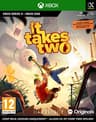
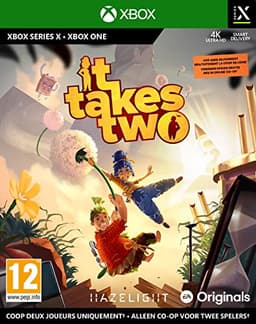
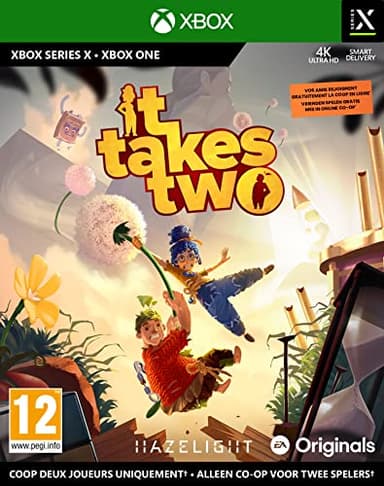
One person buys, two play.The Friend's Pass on It Takes Two, Split Fiction, and A Way Out: one purchase covers both players for the entire campaign. Half price, identical game.
One person buys, everyone plays.Steam's Remote Play Together - Valve's own description is "up to four players - or even more with fast connections" - plus phone-based party games where only the host owns anything, plus plain local split-screen. Best cost-per-player in the medium by a distance.
Nobody buys. A free crossplay game. Zero up front, zero platform fee if everyone is on PC or the title is free-to-play on console.
Only the first of those is what most people picture when they think "paid multiplayer". The middle two are where the actual savings live, and they are covered in full on our one copy, two players guide - including the limits of PlayStation Share Play and why account sharing is not on that list.
Cost per hour is the number that matters
A group that plays together weekly is not really choosing between free and paid. It is choosing between a small recurring pull and a single up-front spend, and the up-front spend often wins on arithmetic.
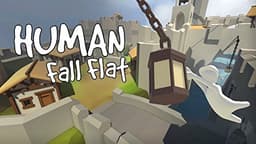
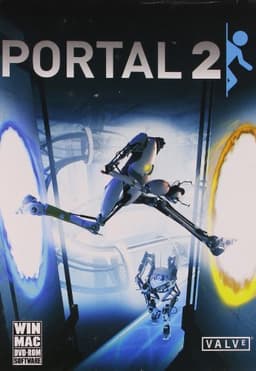
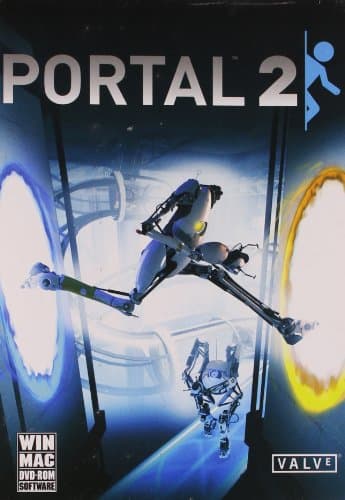
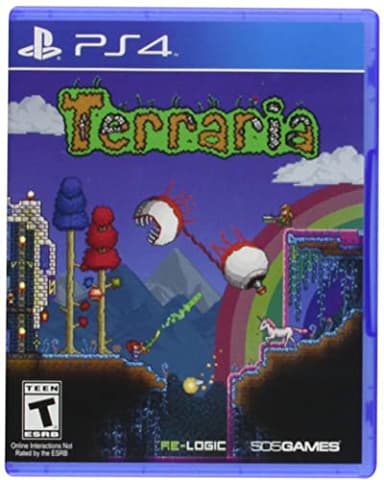
Portal 2 is the clearest example on this list: a two-player co-op campaign that regularly sits at a few dollars on PC, with no membership needed and nothing to buy afterwards. Two friends get a complete, celebrated campaign for less than a round of coffees, once. Human: Fall Flat is the same shape for up to eight people with crossplay. Terraria is endless for the price of a sandwich.
Set that against a free game your group plays for a year while two of you buy a battle pass each season, and "free" stops looking obviously cheaper. Neither answer is wrong - just do the sum with all three lines in it. Our cheap games guide ranks the paid picks that survive this test best.
When free is clearly the right call
You want to play tonight and one person is undecided. Nothing beats a free download for getting five people in the same lobby in ten minutes. Fortnite is already installed on half of them.
Your group is split across every platform. The free picks are also the most reliably crossplay ones - Fortnite, Rocket League, Fall Guys, and Among Us all bridge everything, which is why the free hub doubles as a long-distance shortlist.
Somebody is on a phone or a weak machine. Free games are built to run on everything, because the business model needs the widest possible install base.
The group is not sure it will stick. Try free first. If you are still playing in a month, then spend.
When paying is clearly the right call
You want a story with an ending. No free-to-play game gives you It Takes Two or Portal 2. A finite co-op campaign is a paid product and there is no free equivalent.
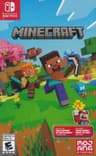
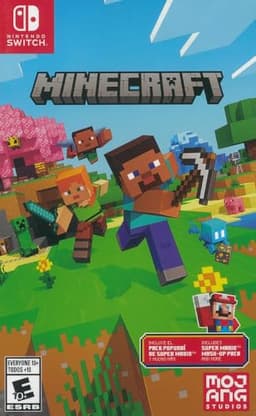
You are tired of seasons. Buying once removes the calendar entirely. Minecraft and Terraria have no battle pass, no season, and nothing to fall behind on.
You play irregularly. A paid game waits. A live-service game will have changed twice by the time your group reconvenes.
Everyone is on PC. With no platform fee in the equation, a shared paid game is dramatically cheaper on PC than the same evening on console - and Remote Play Together can cover the whole group from one copy.
A short decision path
Is everyone on PC? Then the platform line is zero and you should be comparing games, not subscriptions. Buy the cheap co-op game.
Mixed consoles, nobody wants to spend? A free crossplay title. It sits outside the membership requirement on every platform and works across all of them - the crossplay hub lists which titles genuinely bridge which systems.
Two of you, want something substantial?A Friend's Pass game. One purchase, both play, full campaign.
Four of you, want a game to live in? This is the case where everyone buys in, and it is fine - just budget for four copies and, on console, four memberships, and pick one game rather than three.
What we can and cannot tell you
Game prices in the table above come from a live data layer with the date we checked them, and they move constantly - most of these titles discount several times a year, so the number you see today is not the number you saw last month. Subscription prices, tiers, and what each tier includes change too, which is why we point you at the platform's own page instead of printing a figure that goes stale.
What we do stand behind is the structure: which platforms gate paid online play, which titles have an official one-copy route, and which of our picks are free-to-play rather than free-trial. Those come from the publishers' and platforms' own wording, and our methodology page explains how we source and check them.