Eight players on one console, and almost nothing else can say that
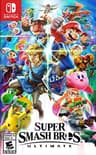
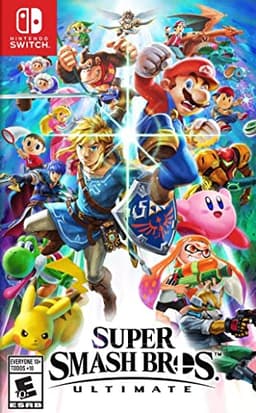
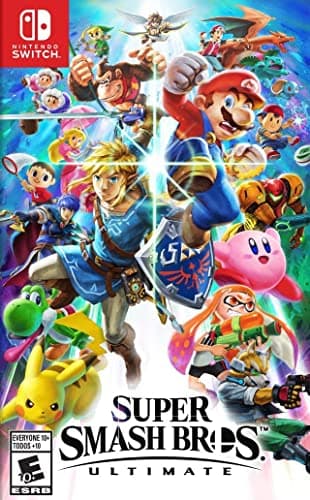
Short verdict: if your living room regularly holds five or more people and you own a Switch, Super Smash Bros. Ultimate is the highest-ceiling party game available - eight players at once, an enormous roster, and a skill floor low enough that a total beginner can win a round by accident. Buy it for the couch. Do not buy it for online play, and do not buy it if everyone is on different consoles, because it is Switch-only.
The format is simple enough to explain in one sentence: knock the other players off the stage. There is no health bar to read, no objective to explain, and no tutorial anybody needs. That is why it works with a room that has not agreed on anything else all evening.
What eight players actually means
Most local multiplayer games stop at four, because four is the number consoles have been designed around for decades. Smash goes to eight, and the practical effect is not just "more people" - it is that nobody has to sit out. Our five-player page exists precisely because being the person waiting for a slot is how someone gradually stops turning up.
The trade at eight is that the screen becomes genuinely chaotic and the good players stop being able to demonstrate why they are good. That is arguably the ideal state for a party. For four people who actually want to play well, four is the better number and the game is happier there too.
The controller problem, which is the real cost
Eight players means eight controllers, and this is the part people underestimate. A Switch ships with two Joy-Cons that can each act as a controller in Smash, so a new console covers two players out of the box - beyond that, every extra player is a purchase.
It is not a small line item. If you are buying the game specifically to run big local sessions, budget for controllers alongside it and check what your group already owns before assuming eight is achievable. Four is the realistic target for most households, and four is still an excellent evening.
Newcomers keep up better than they expect
Smash has a competitive scene with genuinely deep mechanics, and none of that is required to have a good time. Items, stage hazards and the sheer number of players introduce enough randomness that a beginner will land a win, which is the single most important property in a party game - a game nobody but the best player can win is a game the rest stop playing.
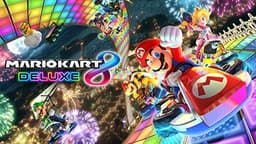
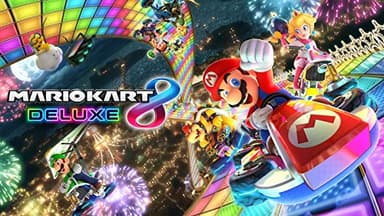
If your group leans towards people who do not really play games, our page for exactly that ranks the gentler options, and Mario Kart is usually the softer landing.