A three-step playbook that actually gets a session going
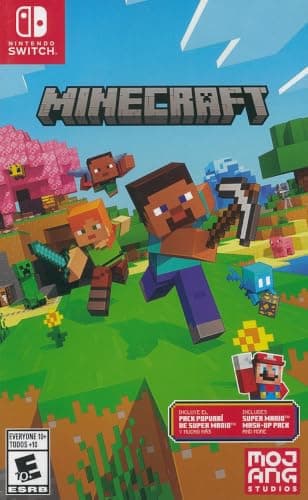
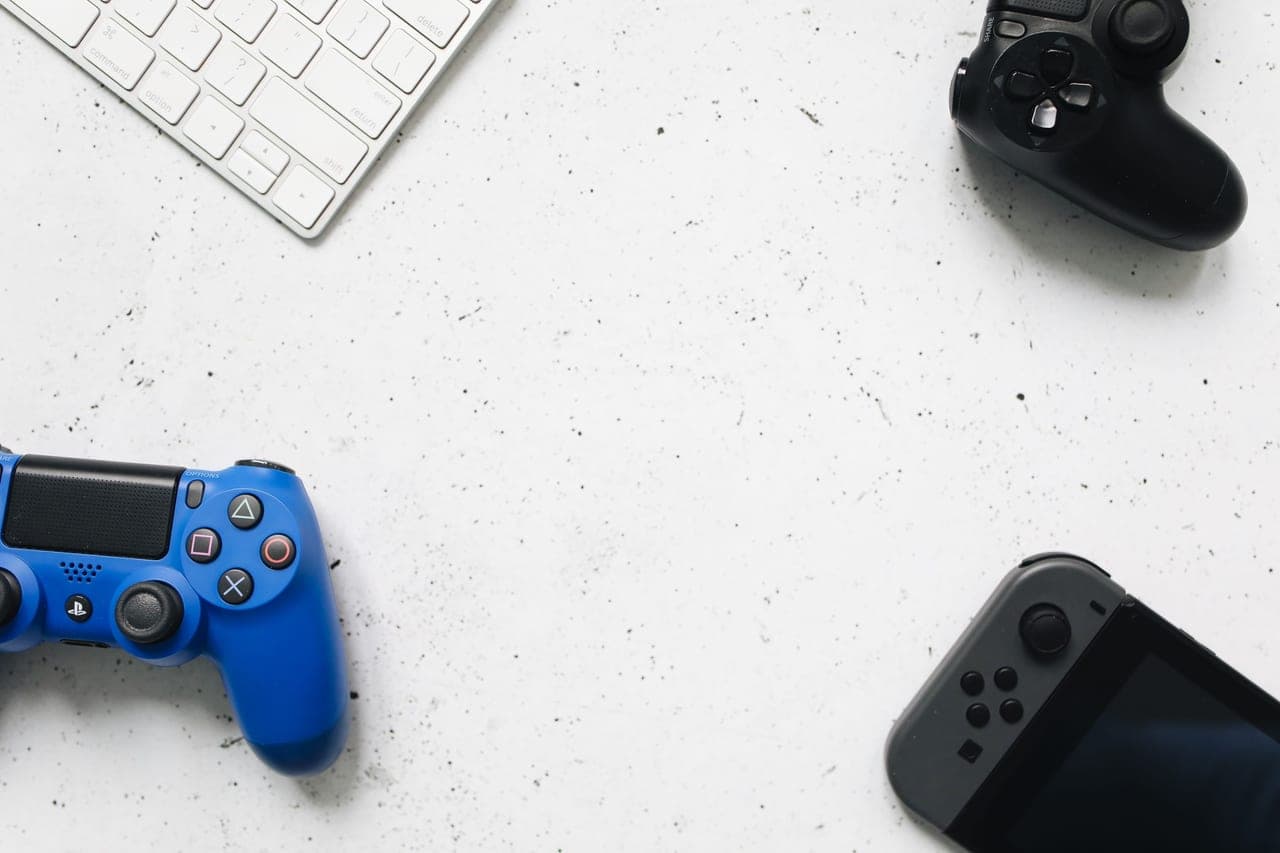
1. Audit the hardware before you shop.Ask the group one question - "what do you play on?" - and write the answers down. If the list includes a Switch and a PlayStation, you have just eliminated every same-platform game. If it includes a phone, you are down to Among Us, Minecraft, Fortnite, and a handful of others. This takes five minutes and saves a wasted purchase.
2. Pick a recurring slot, not a game. Long-distance groups die from scheduling, not from boredom. A standing night that everyone half-remembers beats a perfect game nobody can find time for. Put it in a calendar and let the game be the easy part.
3. Run voice separately from the game. In-game voice chat is usually worse than Discord and disappears the moment someone quits to the menu. Keep a persistent voice channel open and the session survives people dropping in and out - our Discord guide walks through the setup, and the video-call page covers what works when you are on camera instead.
Why long-distance groups stop playing
It is almost never the game. Groups drift apart for three predictable reasons, and all three are fixable if you know to plan for them.
The organizer burns out. One person ends up chasing everyone every week, gets tired of it, and stops - and the group quietly ends. A fixed recurring slot fixes this because it removes the need for anyone to organize anything.
Someone falls behind. In a progression-heavy game, the person who missed two weeks comes back underpowered and stops enjoying it. Games with no progression - Fall Guys, Rocket League, Among Us - are immune to this, which is a real argument for keeping one in rotation alongside anything longer.
The group waits for everyone. If sessions only happen when all five people are free, they stop happening. Agree early that the night runs with whoever turns up, and pick games that work at varying player counts.
Practical setup for mixed time zones
Agree the slot in a single named time zone and let everyone convert it themselves - "8pm UK" rather than "evening". Ambiguity is what kills these arrangements, and it gets worse twice a year when daylight saving shifts at different dates in different countries.
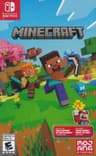
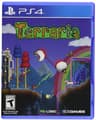
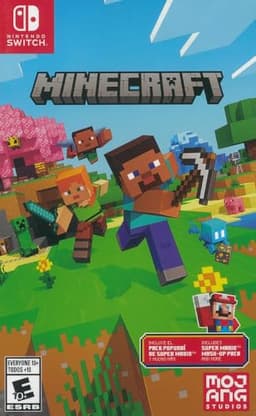
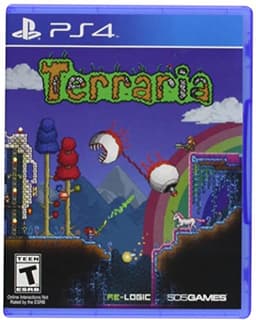
Where the spread is genuinely large - more than five or six hours - stop trying to synchronize entirely and lean on persistent-world games instead. A shared Minecraft or Terraria world means the person who is awake plays, builds something, and leaves it for the others. Progress becomes asynchronous, which is the only thing that reliably works across a big time difference. The live session becomes a bonus rather than the whole arrangement.
One copy, two players
A few co-op games include a "Friend's Pass" system where only one of you has to buy it - the second player downloads a free companion client. For a long-distance duo that halves the cost of a paid co-op night. It Takes Two and Split Fiction both work this way; the latter also has crossplay, which makes it the better choice when the two of you are on different systems. Both are covered on our two-player page.
For a larger group there is no equivalent - everyone needs their own copy - which is another argument for auditioning a free crossplay game first and only spending money once the group has proved it turns up. If you do reach that point, our budget picks lists the paid games that cost least per person.