Work out your real overlap first
Before buying anything, find the actual number. Not "we're eight hours apart" - the number of hours per week where you are both awake, free, and near a device. For most long-distance groups it is between two and five, usually in the same fixed slot: one person's early morning and another person's evening.
If that number is under two hours a week, buy instant-session games only and treat anything longer as a mistake waiting to happen. Between two and five, a persistent world works beautifully - you get the sense of a shared project without needing simultaneous play. Above five, you can play anything, including the big co-op campaigns.
Make one slot sacred
The single most effective thing long-distance groups do is fix one recurring slot and defend it. Same day, same hour, written down in whichever time zone confuses people least - most groups settle on quoting both, e.g. "Sunday 9pm UK / 4pm ET". A repeating calendar invite handles daylight-saving shifts, which otherwise silently break the routine twice a year, because the two countries change on different dates.
Around that fixed slot, everything else is a bonus. The persistent games make the bonus time useful: an hour spent building, farming, or leveling alone still contributes to the thing you do together. That is the whole trick.
Asynchronous play, and why it feels like company
There is a specific pleasure in logging into a shared world alone and finding evidence of someone else - a new bridge, a cleared cave, a chest of things left for you. It is not playing together, but it is not playing alone either, and for friends separated by half a planet it does a surprising amount of work.
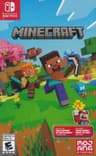
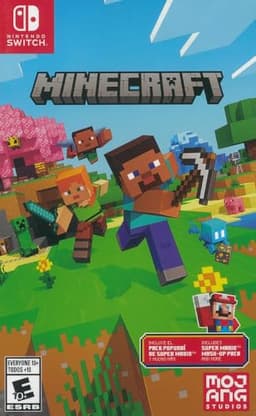
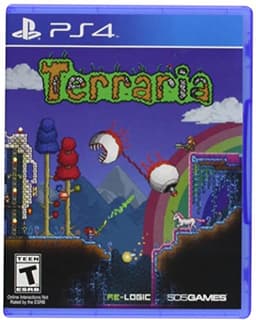
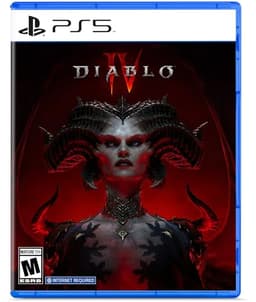
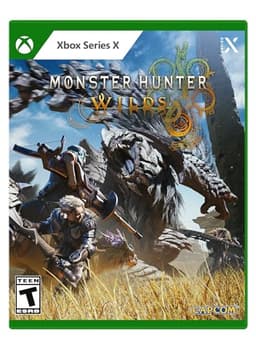
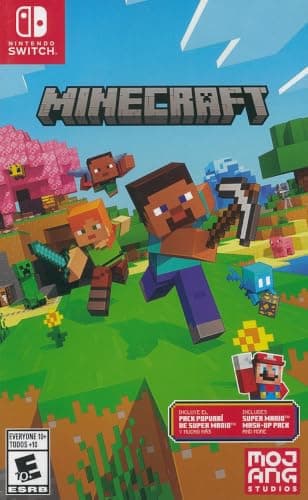
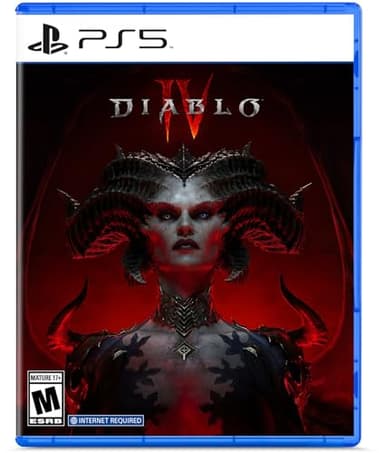
Minecraft and Terraria are built for this. Diablo IV and Monster Hunter Wilds give you the character-progress version - you both got stronger this week and you compare notes when you meet. Stardew Valley would be perfect for it if not for one thing: its multiplayer is same-platform only, so a friend on a different system cannot join your farm at all. Check that before anyone buys.
Hosting: who runs the world?
For a persistent world you need somewhere it lives. Minecraft Realms is the simplest paid option - it stays online without anybody's machine being on, which is exactly what a multi-time-zone group needs. Hosting from one person's console or PC is free and has one obvious flaw: nobody else can play while that person is asleep with the machine off.
For Terraria, the same logic applies - a hosted world beats a player-hosted one for a group spread across time zones. If everyone is only ever going to play at the same time anyway, skip the hosting and keep the money.
Voice, text, and keeping a thread going between sessions
The groups that survive years of distance almost always have a Discord server doing the connective work: a text channel that stays alive between sessions and a voice channel people drop into when they happen to be online. It costs nothing and it removes the need to schedule the small stuff. Our Discord guide covers setting one up, and games to play on a video call covers the picks that work when you would rather see faces than screens.
The short version
Under two hours of overlap a week: Among Us, Rocket League, Fortnite - free, instant, no commitment. Two to five hours: Minecraft or Terraria for a shared world, Diablo IV or Monster Hunter Wilds if you want characters that grow. More than that: you are not really limited - go and read the long-distance hub for the full list.
Time zones are one cause of a group that can never assemble the same people twice; work, children and shift patterns are the others, and the fix is the same. Drop-in drop-out co-op games covers the four properties that let a game absorb a changing roster - progress that belongs to the player, short self-contained sessions, mid-session joining, and difficulty that scales down when half the group leaves.