The sandbox is the easy part to copy. Crossplay and a shared screen are the parts almost nobody copied
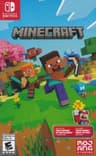
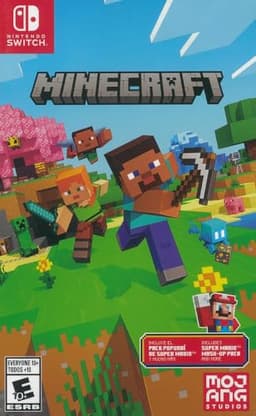
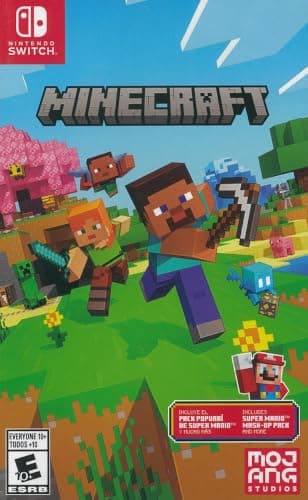
Here is the thing that catches groups out: the reason Minecraft worked for your group was almost never the blocks. It was that the Bedrock version plays across a phone, a Switch, a PlayStation, an Xbox and a PC, that one console can split the screen for people in the same room, and that everybody already owned it. Nearly every game recommended as “like Minecraft” keeps the crafting and quietly drops all three.
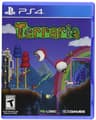
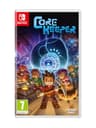
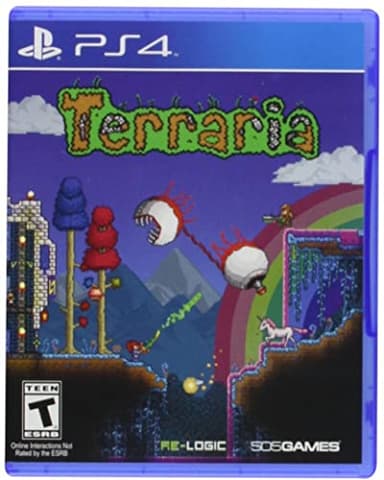
So this page is sorted by the thing that decides whether your group can actually play together, not by which game is the most inventive. If you want the short answer: Terraria is the pick that keeps the most of what Minecraft gave a group - up to eight in co-op, cross-platform play across most systems running the same version, local play as well as online, and the lowest price here. Core Keeper is the pick if you want the mining with a goal attached, and Palworld is the one with the genuinely new idea. The rest each solve a narrower version of the problem.
Four things to check before you buy any of them
1. The player cap, which is usually lower than Minecraft's. This is the first disappointment. Core Keeper prints a clean 1-8 player range and PlayStation confirms Supports up to 8 online players with PS Plus- but Palworld's own Steam listing says in online co-op play mode, up to 4 players can play together, with 32 only on a dedicated server you have to run yourself. A group of six reads “32 players” in a headline and buys a four-player game.
2. Crossplay, which most of this genre does not have. Of the picks here, Steam lists Cross-Platform Multiplayer for Palworld and 7 Days to Die, Terraria crossplays across most systems running the same version, and Minecraft Bedrock plays across everything. Core Keeper lists no crossplay at all, and neither does Stardew Valley. If your group is split across consoles, games without crossplay - and what to buy instead is the page that saves you the money.
3. Whether two people can play on one machine, because almost none of these do. Minecraft splits the screen on consoles - that is why split-screen Minecraft is a page people search for. Of the alternatives on this list, none of the store listings we checked carry a shared-screen flag. If the point is two people on one sofa and one console, this whole genre is the wrong shelf and split-screen co-op games is the right one.
4. Who hosts, and what happens when they are out.Minecraft Realms made this invisible. Most of these games are host-based: the world lives on one person's machine, so when that person is away, nobody plays. Palworld and 7 Days to Die both support a dedicated server, which is the fix if somebody in the group is comfortable running one; otherwise, agree in advance that the host is the person with the most reliable availability, not the fastest PC.
“Games like Minecraft but free” - the honest answer, which is not on this list
There is no free game in this category that also gives a group eight players and crossplay, and the ones that claim to are usually mobile clones with an advertising problem. The two legitimate free routes are Roblox, which has a vast catalog of player-made building and survival games and full crossplay - we compare the two directly at Minecraft vs Roblox - and simply buying Terraria, which is cheap enough that per-person it costs less than most of what a group spends on a Friday. Cheap multiplayer games is the page for a group on a budget, and it is a more honest answer than a free clone.
What each of these is actually for
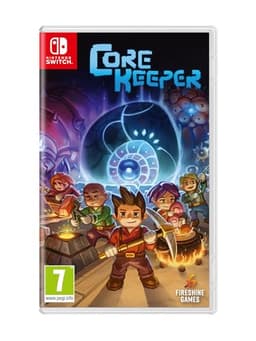
If you want the mining, the building and the bosses: Core Keeper. It is the closest structural match to what a group does on a Minecraft server - dig, light, build, farm, fight a boss, dig deeper - with the difference that the bosses come in an order, so the group always knows what it is working toward. The cons are real: no crossplay on any listing, and it is top-down rather than first-person, so nobody gets to stand inside the base they built.
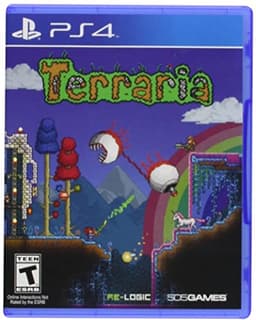
If you want the sandbox to be endless and cheap: Terraria. Up to eight players, cross-platform across most systems on the same version, and genuinely one of the largest games in this category by content. The con is that it is 2D, and some people cannot get past that - Minecraft vs Terraria is the head-to-head if that is the only thing you are deciding. It is also dense: a newcomer usually needs somebody to show them the first two hours.
If you want a reason to be out in the world:Palworld. You catch creatures and they work - mining, farming, fighting - which turns base-building into something closer to automation, and it is the only genuinely new idea in the category. Two cons: the online co-op cap is four, and the crossplay story is uneven. Steam carries the Cross-Platform Multiplayer flag; PlayStation's own page does not mention crossplay at all, so verify it for your platform pair before you promise a mixed group anything.
If you want the building to have a deadline: 7 Days to Die. You mine and fortify for six days and on the seventh a horde arrives, which gives a group the pressure Minecraft never applies. It is the only pick here whose Steam listing carries LAN Co-op as well as Online Co-op and Cross-Platform Multiplayer, so a group in one house can play off one router. Two cons: it is horror, and a group with anyone who hates that should skip it; and we list it as a PC pick because Steam is the listing we verified - console versions exist, but we have not confirmed their caps, and this site does not print a number it has not seen.
If what you actually want is Minecraft: buy Minecraft. It is worth saying plainly on a page like this. Nothing else here crossplays across a phone, a Switch, a console and a PC, and nothing else splits a console screen. If the group's problem is “we are bored of it”, read on; if the group's problem is “we are on five different devices”, the answer is the game you already know.